
Interior Systems Installer: Training, Salary, Tasks
ConstruMD
Nov 5, 2026
All Posts
SHARE THIS POST
Published : November 5, 2026
The profession of a blaster is quite unique. It is a specialized profession that revolves around the handling and detonation of explosives on various types of sites in Quebec.
Blasters play a key role in the construction sectors, demolition, and mining. Their mission? To ensure controlled fragmentation of rock materials and secure the progress of the work.

This profession requires very specific qualifications. It is also necessary to strictly follow very stringent safety standards.
To work as a blaster on a site, you need to obtain several official certifications. This generally includes a blaster certificate, a general explosives permit, and a competency certificate (depending on the context).
The day often begins with a site inspection. You need to prepare the areas where explosives will be used.
Next, you check the drilling equipment and explosives inventory. Everything must comply with safety regulations, of course.
Team meetings are scheduled to discuss the blasting plan and the planned blasting operations. You don't go in blindly.
You also need to establish safety zones. Installing barriers to protect other workers and the public is essential.
During the day, you monitor the loading of holes with the appropriate explosives. Before each detonation, you must ensure that the detonators and exploders are installed correctly.
After each detonation, you inspect the area. This involves checking the results and ensuring there are no unexploded charges.
All these activities must be recorded in detailed reports, as required by law. It's not the most fun step, but it's mandatory.
You develop blasting plans by calculating the amount of explosives and the precise location of each charge. The choice of detonator type depends on the situation.
Your tasks include:
Obtaining authorizations and following the required procedures to legally intervene on a site (a good starting point is understanding how to access CCQ trades and occupations)
Organizing the secure storage of explosives and detonators
Leading drilling and blasting operations with the team
Installing initiation systems and checking connections
Triggering the detonation following protocols
Examining rock fragmentation after blasting
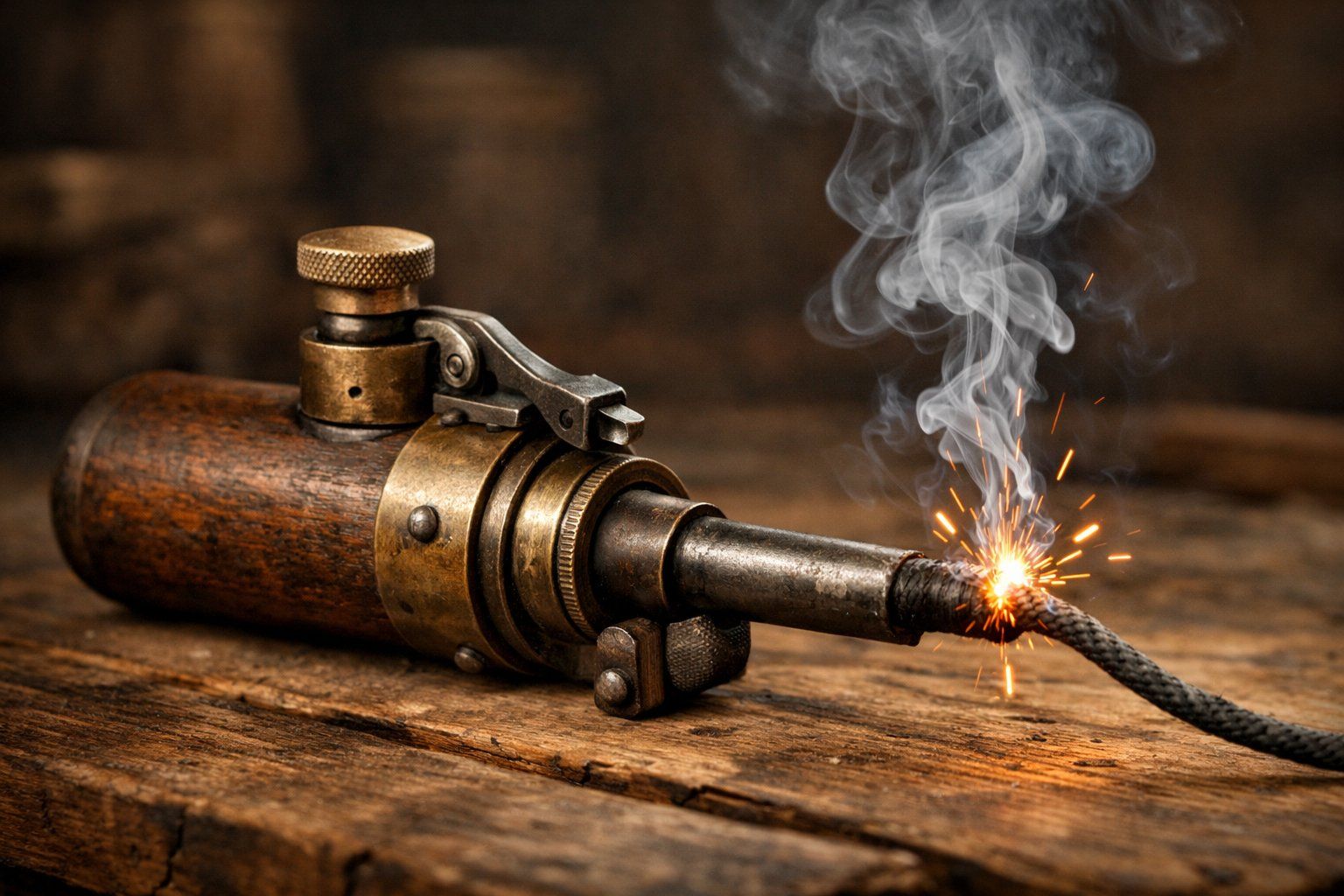
You also need to train team members on the proper techniques and essential training related to drilling and blasting. Communication with authorities and emergency services must remain constant.
You keep accurate records of all explosives used, with batch numbers and quantities. If an issue arises during blasting, you participate in investigations.
In Quebec, there is no single diploma to become a blaster. You need to combine basic training with specialized certification in explosives. For the construction part, the CCQ explains the certification here: Blaster Certification (CCQ).
Here are some options to get started:
Vocational Training (DEP or equivalent)
Heavy equipment operator
Construction trades
These trainings provide practical on-site experience
College Training (DEC)
Mining techniques
Civil engineering techniques
Quite interesting if you aim for the mining sector
Specialized Training
Explosives handling courses
Recognized blasting program
Explosives Familiarization Course (Natural Resources Canada) offered by accredited organizations
The duration depends on the chosen path. You need to allow time for both theory and practice.
| Type of Training | Duration |
|---|---|
| Vocational Training (DEP or equivalent) | 6 to 12 months |
| College Training (Technical DEC) | 2 to 3 years |
| Specialized Explosives Courses (depending on organization) | 40 to 120 hours |
| Supervised Practical Training | A few months to 2 years |
Detailed training related to the profession (construction) is often described in CCQ documentation, for example via this document: Blaster (CCQ – PDF).
After the theory, you work under supervision. Employers require this experience before giving full responsibilities.
You can take training in several Quebec institutions. It's better to choose a program near mining regions if possible.

Cégeps with Relevant Programs:
Cégep de Thetford – Mining technologies and operations in mining regions
Cégep de Sept-Îles – Technical training near mining sites
Cégep de Jonquière – Programs in industrial environments
Training Centres:
École des métiers de la construction de Montréal (useful if you want to structure a construction base; also see the ConstruMD article on training centres in Montreal)
Local vocational training centres (depending on your region; school prerequisites vary depending on the path)
Regulatory Bodies and Information:
CNESST – Occupational Health and Safety Standards
Commission de la construction du Québec (CCQ) – Rules, Access, and Qualification
Practical blasting courses are often provided by recognized private organizations. It's best to verify that the training meets federal and provincial standards before enrolling.
In construction, compensation varies by sector and applicable agreement. Here are hourly rates observed in the grids for the occupation blaster:
Residential (as of July 27, 2025)
Heavy Residential (as of July 27, 2025)
If you want to compare with other trades, the ConstruMD article on construction salaries in Quebec (2025) provides a good overview of the realities by sector.
Most of the time, you work outdoors, regardless of the weather. Tasks include drilling and blasting on various sites, so you need to be in good shape. A presentation of the daily routine is also available here: More than a Job – Blaster.
Schedules vary by sector. In construction, it's generally regular days. In mining, there may be long shifts or rotations.
On remote mining sites, it's often two weeks on-site, then two weeks off. Wearing a helmet, goggles, gloves, and hearing protection is mandatory.
To practice this trade, you usually need a recognized certificate (depending on the framework), an explosives permit, and a competency certificate. For example, the Sûreté du Québec details the permit aspect here: General Explosives Permit (SQ).
Civil and criminal liability is significant in case of an incident. It's not something to be taken lightly.

Demand for this trade varies depending on heavy construction, demolition, or mining projects. Road and rail work also open doors.
In Quebec's mining regions, there are often more opportunities for blaster-drillers in the construction sector. Abitibi-Témiscamingue, Côte-Nord, or Mauricie are areas where work is generally plentiful.
According to the 2025–2029 outlook (CCQ), “Blaster and Driller”: “Good” prospects, stable employment, and moderate aging.
If you want to place this in the overall trend, the ConstruMD article on the most in-demand jobs in Quebec helps to understand the context.
Career Advantages:
Combine your blasting skills with heavy equipment operation
Accumulate multiple certifications for different sites
Deepen your expertise in mining exploration work and seismic surveys
You need to be meticulous and detail-oriented to follow safety procedures. Calmness and composure are essential when handling explosives.
Clear communication with the team and authorities quickly becomes essential. You must also know how to assess risks related to the ground and structures around the site.
Taking responsibilities seriously and respecting ethics is truly non-negotiable. Working in coordination with drillers, operators, and emergency services is part of the daily routine (example of regional context: construction jobs – Capitale-Nationale).
You need to know the different types of explosives, initiations, and detonators. You must master blast plans and perform charge calculations. A useful document to consult: Acetates / “Blaster” course (ASP Construction – PDF).
Using ignition devices and firing systems quickly becomes second nature. Reading technical plans and performing mathematical calculations for volumetrics and charge per hole is a daily task.
You need to know the explosives regulations and safety standards inside out. Managing records and incident reports is also part of the job.
This trade offers a sought-after specialization in mining and demolition. Experienced blaster-drillers can aim for attractive salaries depending on sectors and projects.
You work on varied sites with different technical challenges each time. It's never monotonous, and completing a project correctly gives a real sense of accomplishment.
It's possible to progress to supervisory positions or become a trainer. Some even become safety consultants.
The work involves significant dangers if procedures are not followed to the letter. You also have to accept working outdoors, sometimes in difficult weather conditions.
Sites are sometimes far from everything, with rotation schedules that don't suit everyone. An example of a prevention and best practices guide: Practical Guide – Blaster (SEEQ – PDF).
The responsibility for explosions is a significant psychological stress.
To become a blaster in Quebec, you must first obtain recognized training and gain experience under supervision. Developing skills in construction, mining, or as a heavy equipment operator can help before specializing.
Choose a program that complies with the federal standards of Natural Resources Canada. Employers are looking for candidates who have solid training and exemplary safety behaviour.
You need to understand two levels of regulation. The Explosives Act controls transportation and possession at the federal level. The CNESST handles health and safety standards on Quebec construction sites.
The job requires patience and great precision in every task. There is no room for shortcuts with explosives.
Expanding your skills can really improve your career prospects. Those who master drilling, site management, and inspection can access more sought-after positions. This versatility sometimes opens doors internationally.
Yes, several authorizations are required to legally work with explosives. Depending on your type of site and sector, you will generally need recognized certification (construction) and an explosives permit. The CCQ details the certification here: Blaster Certification (CCQ), and the Sûreté du Québec presents the permit here: General Explosives Permit (SQ).
Federal rules apply throughout Canada. A good starting point: Natural Resources Canada – authorizations, permits, and licenses.
Honestly, it's very difficult to start without on-site experience. Employers mainly want people who are already familiar with drilling, heavy equipment, or site management.
First, gain experience as an assistant or in a related position. A good starting point if you're starting from scratch: finding a construction job without training.
The use of explosives can cause serious injuries in the event of an incident. Repeated exposure to noise and vibrations eventually damages hearing and the body over time. A reminder of the risks and measures: OHS Guide – Explosives.
Hearing protection must be worn at every blast, it's non-negotiable. Working in isolated regions and enduring constant stress also takes a toll on mental health, so regular check-ups are not a luxury.
Yes, this profession is open to everyone, regardless of gender. Technical skills, training, and adherence to safety rules are required.
Many companies encourage diversity in their teams. Success mainly depends on training and the ability to handle explosives safely.
It is possible to work independently, but all legal rules must be followed. Liability insurance, compliant storage facilities, and up-to-date certifications are essential.
Large companies often prefer to hire established companies with solid references. It takes time to build a reputation and secure your first contracts.
First, you need experience as an assistant to a certified blaster. The employer must confirm that you have the skills and behaviour required to work safely.
You then take a qualification exam (construction) that grants access to the official certificate (details: Blaster Certification (CCQ)).
There are different types of certificates depending on your sector. For example, the certificate for mineral exploration and seismic surveys is intended for those working in these specific fields.
Canadian explosives regulations set national standards for all activities related to explosive materials. This includes manufacturing, sale, storage, and transportation (reference: Explosives Act – Justice Canada).
The CNESST and OHS rules on sites also impose important obligations (reference: CNESST).
Before each operation, a complete site assessment is mandatory. This inspection identifies all hazards in the work area.
You establish a safety perimeter and evacuate everyone before the detonation. Evacuation distances vary depending on the type and quantity of explosives.
Essential safety measures:
Checking all equipment before use
Clear communication with the team
Monitoring the weather
Controlling site access
Using warning signals
You remain responsible for handling and detonating explosives on the site. No one else can perform these tasks without the appropriate certification.
Electronic detonation systems offer much more precise timing control. Complex sequences can be programmed to the millisecond.
3D modeling software simplifies operation planning. Expected effects can be visualized even before proceeding with the actual detonation.
Drones have become indispensable allies. They allow site inspections before and after operations, collecting images without unnecessary exposure.
We always start with a detailed study of the structure to be demolished. It's important to examine the materials, stability, and the immediate environment.
Next, you need to calculate the quantities of explosives for each charge point. The type of material and the desired effect play a significant role in these calculations.
Planning Steps:
Complete building inspection
Professional structural analysis
Calculation of explosive charges
Strategic placement of detonators
Establishment of the safety perimeter
Coordination with emergency services
Final check before detonation
An evacuation plan is prepared for all occupants in nearby areas. Local authorities must also give their approval before the operation can proceed.
The risk of accidental detonation is clearly the main danger in this profession. To minimize this risk, we apply very strict protocols to every handling of explosives.
There is also exposure to vibrations and noise, which can eventually impact health. Therefore, wearing appropriate protective equipment becomes essential for every intervention.
Major Occupational Hazards:
| Hazard | Control Measure |
|---|---|
| Accidental detonation | Adherence to perimeters, protocols, and sequences |
| Weather conditions | Postponement of operations if necessary |
| Handling error | Continuous training and supervision |
| Inadequate storage | Storage in compliant facilities |
In case of a problem, emergency services must be contacted immediately, and internal site procedures (and, if necessary, instructions from authorities) should be followed.
You might like
ConstruMD
Nov 5, 2026

ConstruMD
Nov 5, 2026

ConstruMD
Nov 5, 2026