
Easily find a 150h construction guarantee
ConstruMD
Nov 5, 2026
All Posts
SHARE THIS POST
Published : November 5, 2026
The construction sector in Quebec is booming, with a strong demand for new labour in all regions. If you are considering starting a career on construction sites, it is crucial to take certain basic training courses and obtain the necessary certifications.
These training courses will not only allow you to work legally and safely but also to acquire the skills sought by employers.
In this article, we review the essential training to start in construction in Quebec, their duration, typical costs, and where to take them. Clear and structured content to help you lay the foundations of your new career!
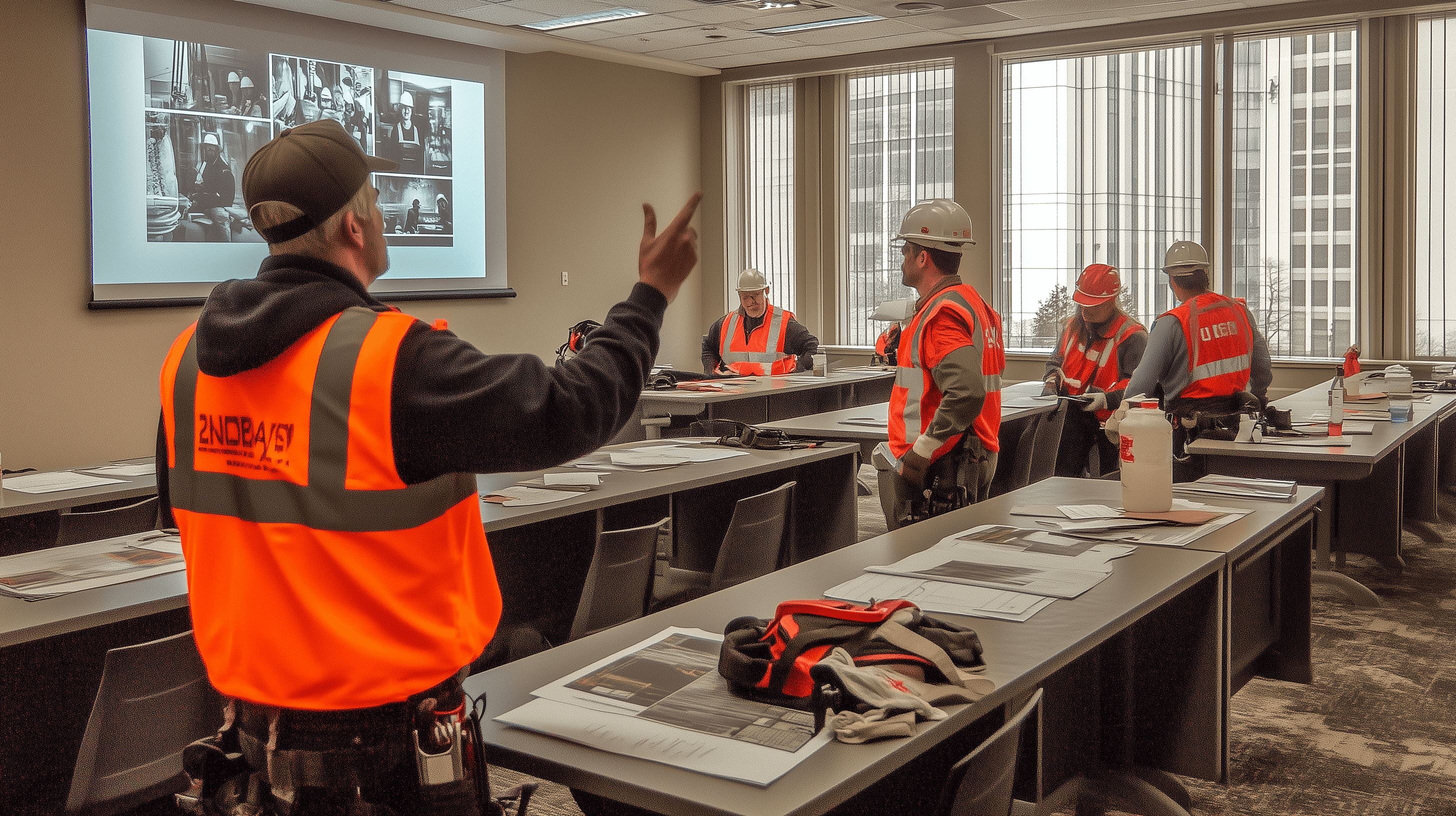
To access construction sites in Quebec, it is imperative to obtain certain certifications. Two key steps are required in the journey of any beginner:
This document certifies that you have successfully completed the 30-hour health and safety course on construction sites.
This course, which covers safety rules, accident prevention, WHMIS, and workers' rights and obligations, is essential for any construction worker.
Duration: 30 hours (usually spread over 4 or 5 days).
Cost: approximately $200 to $300 (variable depending on the training organization, sometimes covered by the employer).
The training is offered by recognized organizations such as ASP Construction or APCHQ and is available in-person or online.
This is a document issued by the Commission de la construction du Québec (CCQ) certifying that you are authorized to work on a site.
Note: the competency card is not obtained before training, but at the end of a training path (such as a DEP, an AEP, or through recognition of experience).
Indeed, it confirms that you have acquired the basic skills in a construction trade.
The typical path consists of obtaining a Diploma of Vocational Studies (DEP) or an Attestation of Vocational Studies (AEP) in the chosen trade, after which you can apply for your competency card.
This document is issued based on your qualification, and administrative fees of approximately $100 are generally required for its issuance. It is renewable each year.
Once the initial certification steps are underway, you need to think about training in a construction trade.
The sector includes many specialized trades (carpenter-joiner, electrician, plumber, welder, mason, painter, etc.), each with its own skills and training path.
The best way to start is to obtain a Diploma of Vocational Studies (DEP) in the chosen field.
DEP in construction are programs offered by public vocational training centres (CFP) in Quebec.
These training courses, recognized by the Ministry of Education, replicate site conditions and teach both the theory and practice of the trade.
Duration: on average from 900 to 1,800 hours of courses, or about 6 to 18 months full-time depending on the trade.
Cost: these training courses are inexpensive for Quebec residents, thanks to government subsidies – only registration and material fees (approximately $200 to $600 in total) are required.
A DEP allows you, subsequently, to apply for your competency card with the CCQ and start accumulating hours of work on sites.
Among the popular DEP training in construction, you will find:
These programs pave the way for a professional career in construction and facilitate obtaining the competency card once the training is completed.
To find a training centre near you, you can consult the following lists:
In response to the worker shortage, the Quebec government and the CCQ have recently implemented accelerated vocational training. Since 2024, short-term training leading to an Attestation of Vocational Studies (AEP) is offered for certain construction trades.
AEP covers the essential skills needed to start as an apprentice. Duration: generally 3 to 6 months (from 180 to 795 hours). Cost: these programs, often subsidized, are very affordable, even free. Upon completion of an AEP, you can also apply for your competency card with the CCQ, as the training has validated your basic knowledge in the trade.
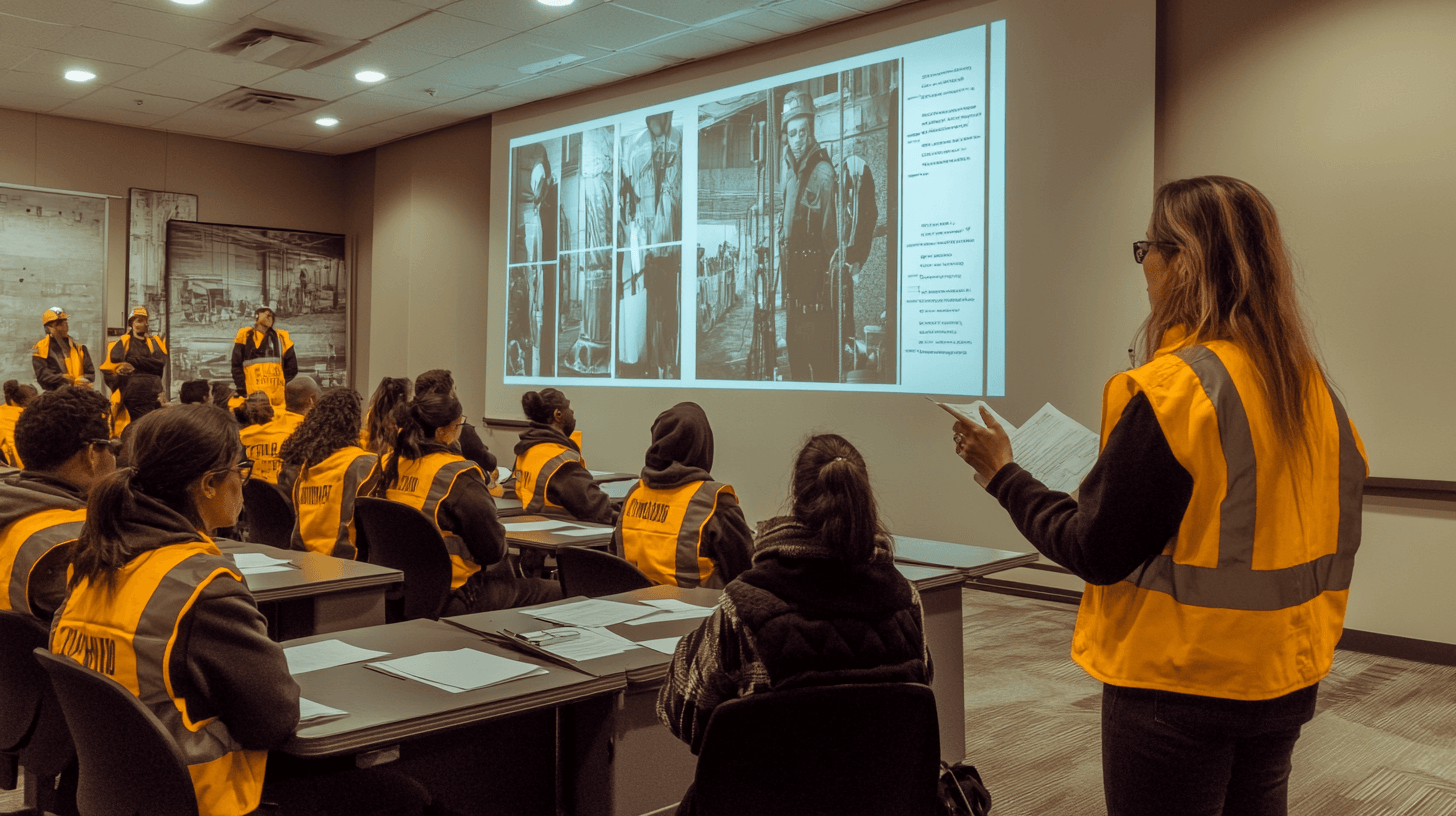
In addition to the basic 30-hour course (ASP card), other occupational health and safety training may prove useful, or even required depending on the situations, when you start in construction:
These additional trainings enhance your safety profile and are often valued by employers, especially in a sector where accident prevention is paramount.
When it comes to initial construction training, you will have the choice between public programs and some private training. Each has its advantages:
Choose the path that best suits your profile and professional goals, taking into account the importance of official recognition for obtaining the competency card.
To recap, here is an overview of the average durations and typical costs:
To help you find and attend these trainings, here are some recognized organizations:
Starting in construction in Quebec requires an investment in training, but it is well worth it.
First, ensure you obtain the mandatory certifications, such as the 30-hour course (ASP card), and follow a recognized training program (DEP or AEP) that will then allow you to obtain the competency card from the CCQ.
Whether you choose the public or private path, the essential thing is to acquire solid and validated skills, to work safely and grow in a booming sector.
By building your career on these foundations, you will be ready to tackle job site challenges, advance in your career, and contribute effectively to the development of the construction sector in Quebec.
Good luck with your projects and in building your professional future!
You might like
ConstruMD
Nov 5, 2026

ConstruMD
Nov 5, 2026
ConstruMD
Nov 5, 2026