
MÉDIC Construction 2027: changes in reimbursements
ConstruMD
Nov 18, 2026
All Posts
SHARE THIS POST
Published : November 5, 2026
When the heat rises, the construction site doesn't just become uncomfortable. It becomes riskier. Fatigue, decreased attention, dizziness, less precise movements, more difficult handling, heavier protective equipment: heat can turn a normal day into a dangerous situation.
In construction, the risk is particularly tangible because many tasks are performed outdoors, in the sun, with sustained physical effort, tools, heavy materials, and tight deadlines. Prevention cannot simply be limited to telling workers to drink more water.
The CNESST reminds us that working in the heat is common in construction and that the employer must implement preventive measures to provide safe conditions, especially during heatwaves. For employers, foremen, and contractors, the challenge is to organize work before symptoms appear.
During periods of heat, planning the workforce becomes more critical; the available construction workers can help stabilize the teams.

Heat affects the body, but also the quality of work. A person who is tired, dehydrated, or dizzy may misjudge a risk, force a movement, miss an instruction, lose balance, or react too slowly. On a construction site, these small lapses can have significant consequences.
The CNESST identifies several risk factors: high temperature, humidity, working in direct sunlight, inadequate clothing, demanding tasks without rest, insufficient hydration, and lack of acclimatization to heat.
The key point is accumulation. A hot day is not just a temperature on a weather app. It is the combination of effort, sun, humidity, clothing, pace, worker experience, and site organization.
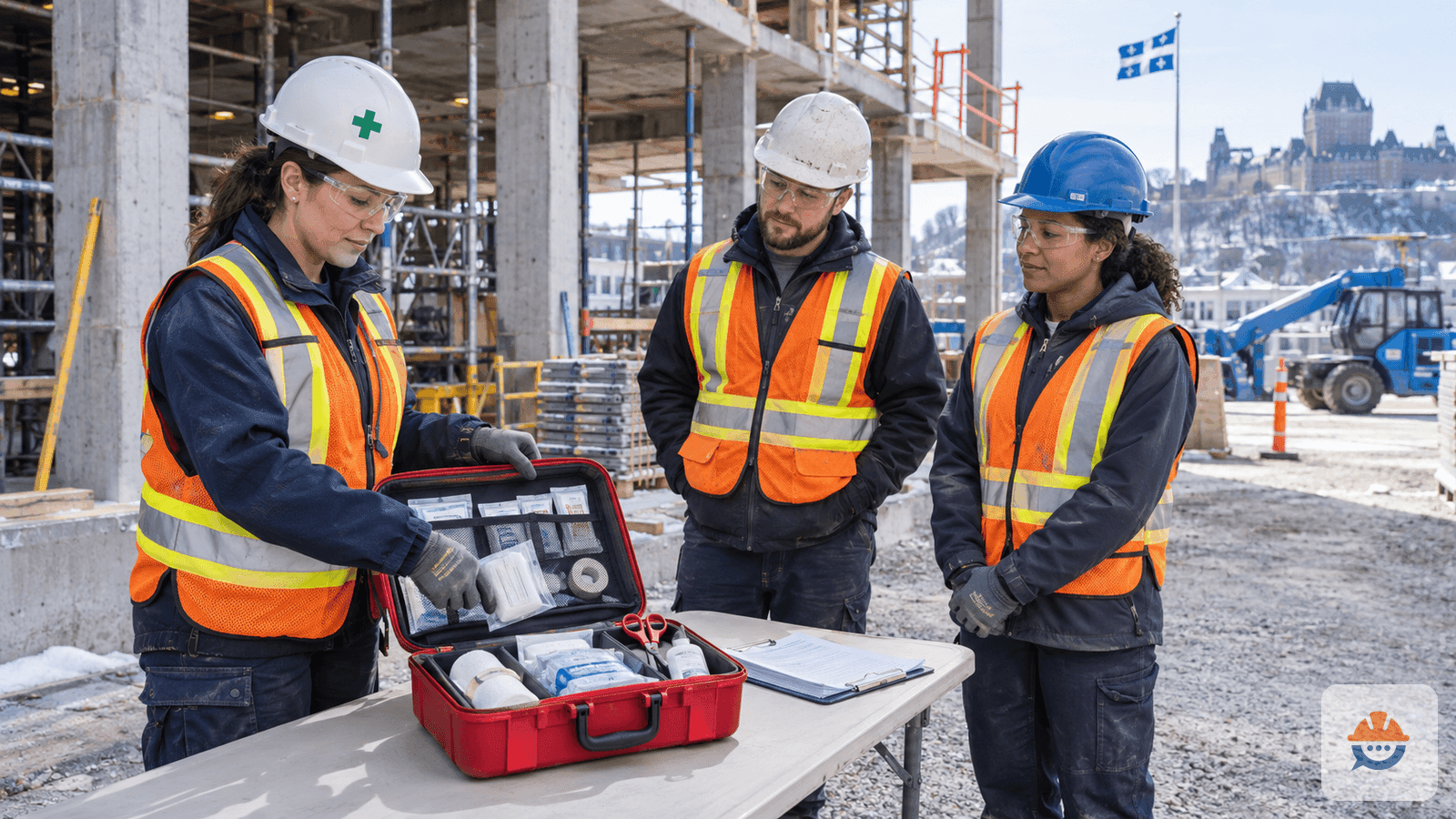
Prevention starts before the shift begins. It is necessary to plan for water supply, shaded areas, breaks, schedule, task rotation, first aid, and communication means.
The CNESST specifically recommends providing enough fresh water, ensuring access to this water, planning breaks in a cool or shaded area, postponing some non-essential physical tasks to a cooler period, allowing task rotation, and avoiding isolated work.
For a construction site, this requires real coordination. Water must be available where the workers actually are. Breaks must be integrated into planning. Heavy tasks must be scheduled at the right time. Supervisors must know the signs to watch for.
Hydration is essential, but it does not solve everything. A worker can drink water and still be exposed to too intense an effort, the sun, without sufficient breaks. Effective prevention combines several measures: water, shade, breaks, pace adjustment, symptom monitoring, and work organization.
The CNESST indicates that workers should drink regularly, even without feeling thirsty. It also mentions the importance of adjusting one's work pace according to acclimatization, heat, humidity, and sunlight.
For employers, the best approach is to treat hydration as part of the plan, not the entire plan.
Heat can first manifest as exhaustion: pale, warm, and clammy skin, excessive sweating, rapid breathing, dizziness, vertigo, or unusual fatigue.
Heatstroke is more serious. The CNESST presents it as a medical emergency. Signs may include lack of sweating, hot and dry skin, incoherent speech, loss of balance, staggering gait, drowsiness, nausea, vomiting, loss of consciousness, or seizures.
On a construction site, the foreman and colleagues play an important role. A person in distress will not always be able to articulate their condition. That is why teamwork and attention to unusual behaviours are essential.

The response must be swift. The CNESST advises alerting first aid and 911, moving the person to the shade or a cool place, removing their clothing, spraying their body with water, providing as much ventilation as possible, and giving them fresh water in small amounts if they are conscious and lucid.
A confused, unstable, or drowsy worker should not be trivialized. It is not just end-of-day fatigue. When in doubt, the situation should be treated as an emergency.
The site should already know who calls, who accompanies, where the water is, where the cool zone is, and how to guide emergency services. Improvising these decisions during a crisis is a poor strategy.
Adapting work does not mean stopping the entire site as soon as it gets hot. It means intelligently shifting tasks. The most physical work can be done earlier, non-essential tasks can be postponed, handling can be supported by mechanical aids, and some teams can alternate between heavy and lighter tasks.
This organization requires discipline, especially when deadlines are tight. But a poorly managed day can cost more than an adjusted day: incident, work stoppage, productivity drop, delay, investigation, loss of team confidence.
Employers who already plan their workforce can also use tools like the ConstruMD page on available CCQ workforce to better visualize certain pools. This is not a preventive measure in itself, but better planning helps avoid overloading the same workers during demanding periods.
Workers also have a role to play. They must apply the planned measures, drink regularly, take breaks, report symptoms, and pay attention to their colleagues. Site culture matters a lot: if breaks are seen as a weakness, risks increase.
A worker who feels unwell should report it quickly. Waiting to avoid slowing down the team can worsen the situation. Prevention only works if workers feel authorized to speak up before the problem becomes serious.
The ConstruMD article on construction work gloves recalls a similar logic: equipment or protective measures must be suited to the task. In hot weather, the same principle applies to clothing, pace, and organization.
Before the day begins, the employer or site manager should check the heat, humidity, sunlight, and planned physical load. They should then confirm access to fresh water, shaded areas, breaks, rotation, tasks to be moved, available first aiders, and communication means.
The checklist must be simple but real. If no one knows where the rest areas are, who monitors symptoms, or how to respond to discomfort, the plan does not really exist.

Heat on construction sites is not just a matter of comfort. It is a matter of health, safety, organization, and responsibility.
The right reflex is to plan before the heatwave: fresh water, breaks, shade, adapted tasks, rotation, teamwork, symptom monitoring, and quick first aid.
A well-organized site does not take heat lightly. It integrates it into its planning, like any other serious risk.
You might like
ConstruMD
Nov 18, 2026
ConstruMD
Nov 15, 2026
ConstruMD
Nov 11, 2026