
MÉDIC Construction 2027: changes in reimbursements
ConstruMD
Nov 18, 2026
All Posts
SHARE THIS POST
Published : November 5, 2026
The quality of construction work is once again a hot topic in Quebec. On May 13, 2026, the Régie du bâtiment du Québec published a draft regulation on compliance certificates applicable to construction work for certain categories of buildings. The stated goal is clear: to better detect non-compliance during construction, before they become costly problems to fix.
For contractors, project owners, professionals, and site managers, this is not just an administrative formality. If the project materializes, monitoring construction work could become a more structured step in the schedule, with evidence, responsibilities, and more precise inspection times.

According to the RBQ press release published on May 13, 2026, the project targets residential buildings not covered by the Regulation respecting the guarantee plan for new residential buildings. The measure is part of a new vision for monitoring the application of the Construction Code.
In simple terms, the idea is not to wait until the end of the project to discover that a significant part of the work is non-compliant. Instead, the project aims to organize monitoring at key stages, according to an established plan, and then lead to a compliance certificate when the work meets applicable requirements.
In many projects, compliance already relied on plans, specifications, involved professionals, responsible contractors, municipal or specialized inspections, and obligations provided by the codes. However, monitoring could vary from one project to another depending on the nature of the building, the stakeholders, the practices of the project owner, and the applicable requirements.
In practice, this means that some problems were discovered quickly, while others only appeared at the end of the work, during an inspection, a claim, a sale, an incident, or a project resumption. It is precisely this gap that the RBQ aims to reduce.

The RBQ presents the project as a way to prevent rather than react. The reasoning is simple: a non-compliance detected during construction generally costs less to fix than a defect discovered once the walls are closed, systems installed, or the building delivered.
The change also stems from a broader governmental intent. The Act mainly to improve the quality of construction and the safety of the public, sanctioned in November 2024, notably requires the project owner to have certain work inspected at key stages according to a monitoring plan and to obtain a compliance certificate. In layman's terms: the project owner could no longer just say the work was done; they would need to demonstrate that certain stages were properly verified.
The project mainly concerns projects where monitoring is more complex than in minor renovations but are not already covered by the guarantee plan for new residential buildings. Project owners, general contractors, professionals, subcontractors, and site managers would all benefit from quickly understanding where their responsibilities begin and end.
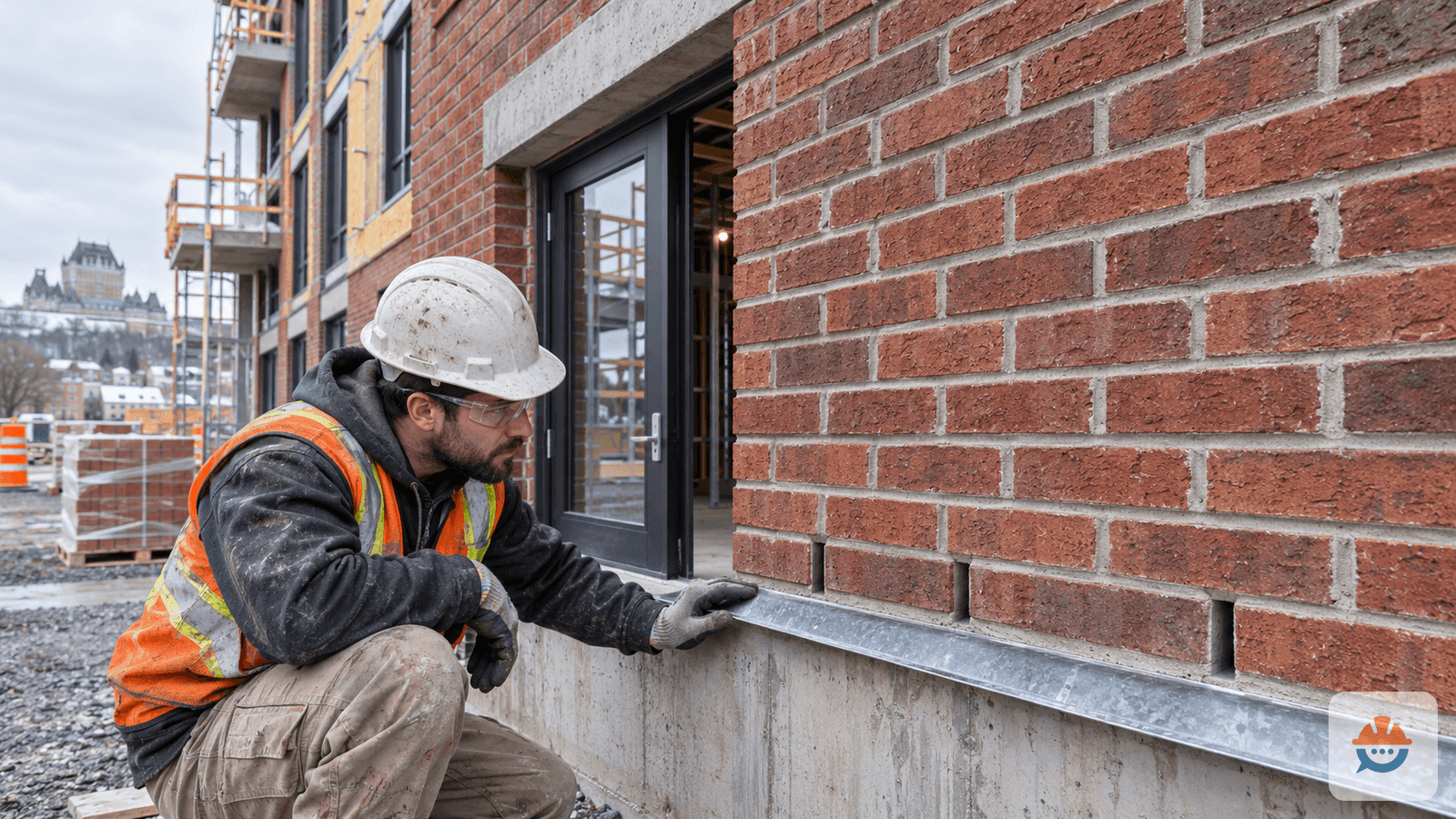
For contractors, the issue is not just regulatory. A poorly planned inspection can create a halt, a resumption, tension with the client, or a conflict with a subcontractor. Conversely, clear monitoring can protect the company: it documents what was done, when it was verified, and by whom.
Even if the draft regulation can still evolve, the reflex to develop is already useful: document technical decisions, keep evidence of corrections, plan control points, and avoid verifications happening too late in the schedule.
To Prepare on Site
To prevent inspection from becoming a last-minute hurdle
For a company managing multiple sites, this directly affects coordination. The right people need to be available at the right time, especially when a correction must be made quickly to avoid blocking the next stage. In this context, workforce planning and construction job offers with a 150-hour guarantee can become a concrete lever when a team needs to secure its execution capacity.
Before starting, a project owner or contractor should clarify who prepares the monitoring plan, which stages require verification, which documents will be kept, who can sign or confirm the required elements, and how non-compliance will be corrected. These points do not replace professional advice, but they reduce the risk of improvisation.
As this is a draft regulation published for comments, caution is advised. The exact obligations, the categories of buildings targeted, the application methods, and the final schedule may be specified or adjusted before coming into force. Contractors and project owners should therefore follow RBQ publications and verify their obligations with competent professionals.
The key takeaway is already clear: compliance is becoming less of an end-of-project check. It is shifting towards the actual progress of the construction site. For the industry, this is as much a cultural change as it is a regulatory one.
The RBQ project is pushing construction sites towards more structured monitoring, with control stages and a certificate of compliance. For contractors, this means more preparation, more documentation, and tighter coordination. For owners and project clients, this can offer better protection against defects discovered too late. For workers and site managers, this means that quality will not only be assessed upon delivery: it will need to be demonstrated during execution.
You might like
ConstruMD
Nov 18, 2026
ConstruMD
Nov 15, 2026
ConstruMD
Nov 11, 2026