
Interior Systems Installer: Training, Salary, Tasks
ConstruMD
Nov 5, 2026
All Posts
SHARE THIS POST
Published : November 5, 2026
The tinsmith plays a central role in building envelopes in Quebec. A specialist in sheet metal, they manufacture, shape, and install essential components to protect structures against water, wind, and climate variations. In a context where Quebec buildings must withstand harsh winters and freeze-thaw cycles, the tinsmith's expertise has become indispensable.
Those wishing to enter this trade or change employers can consult the tinsmith jobs available in all regions of Quebec.
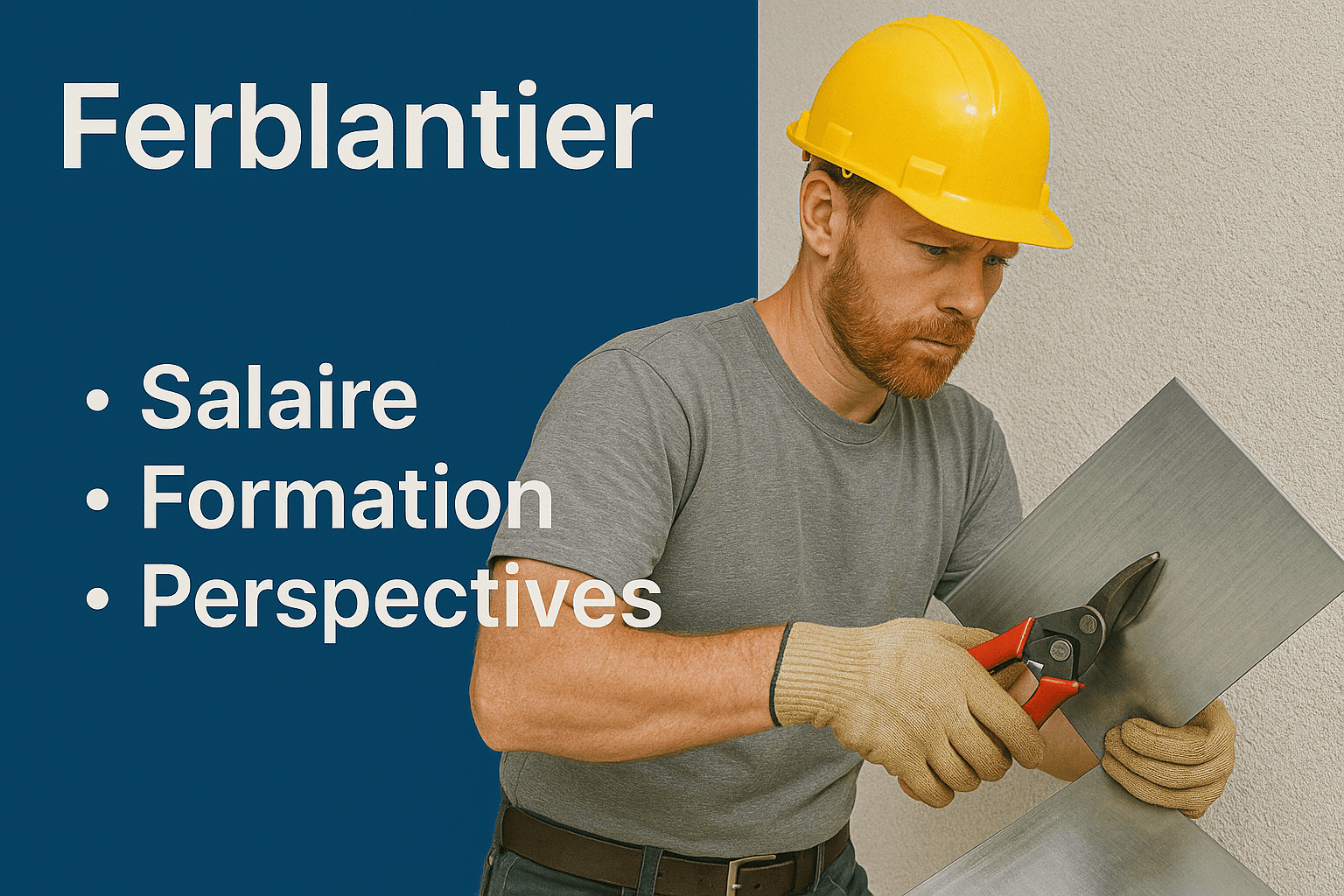
Contrary to popular belief, the tinsmith does not only work on roofs. They manufacture and install a wide variety of metal elements: flashings, gutters, facades, claddings, ventilation ducts, mechanical boxes, chimneys, custom pieces, and architectural components.
Their interventions ensure the waterproofing, ventilation, proper drainage, and durability of the exterior envelope. The trade is also distinguished by its artisanal aspect: many pieces must be custom-made, directly in the workshop or on-site.
To place this trade within the scope of regulated professions, one can consult the complete section on construction trades and occupations.
The work of the tinsmith is varied and involves both manufacturing and installation. Among their main responsibilities:
cut, bend, and form sheet metals (galvanized steel, aluminum, copper, stainless steel);
use bending machines, shears, rollers, and specialized tools;
produce custom pieces according to plans or site needs.
install metal claddings;
install flashings and waterproofing elements;
make connections between masonry, roofing, windows, and walls;
fix gutters, downspouts, and finishing pieces.
interpret architectural details;
anticipate necessary junctions, slopes, and clearances;
adjust pieces directly on-site.
frequent movements on roofs, scaffolding, or platforms;
strict adherence to safety standards and anchors;
safe handling of cutting tools and metal sheets.
This trade is distinguished by its unique combination: precision, manual work, aesthetic concern, and understanding of metal properties.
Hourly rates for the institutional/commercial/industrial (ICI) sector, as of April 27, 2025:
Journeyman: $44.93/h
Apprentice – period 1: $29.92/h
Apprentice – period 2: $36.46/h
See all CCQ rates for 2025–2026 (official dates + amounts) for this trade?
Check our complete reference: CCQ Rate Schedule 2025–2026
These rates reflect the value of the trade, particularly in a context where skilled labour in building envelopes is highly sought after.
To compare the salary evolution of construction trades in general, some workers consult analyses like the portrait of construction salaries in Quebec in 2025.
The path to becoming a tinsmith involves a DEP in tinsmithing, which covers:
reading plans and architectural drawings;
cutting, bending, and assembly techniques;
installation methods on buildings;
principles of envelope waterproofing;
safe work at heights;
use of common metals (steel, aluminum, copper).
Once the DEP is obtained, the apprentice must secure a guarantee of hours for their CCQ competency card. Workers embarking on this path can rely on the article dedicated to the 150-hour construction guarantee, which clearly explains the procedure.
Certain conditions are specific to tinsmithing:
Outdoor work: the trade requires exposure to sometimes extreme weather conditions.
Working at heights: sloped roofs are common, and safety equipment is mandatory.
Varied work: alternating between workshop (manufacturing) and site (installation).
Highly technical trade: tolerances are low, as a poorly adjusted piece can compromise a building's waterproofing.
Great creativity: many pieces must be hand-formed, depending on the building's configuration.
The demand for tinsmiths is growing in several regions of Quebec. Several factors explain this:
the aging of Quebec's real estate stock;
the increase in major renovations;
the specialization of the trade, making the workforce scarce;
the rise in institutional projects (schools, hospitals);
the increased need for skilled workers in building envelopes.
The tinsmith is often among the trades present in active recruitment sector lists, such as those presented in the article on the most in-demand construction trades in 2025.
Choosing tinsmithing means:
working in an artisanal, technical, and versatile trade;
directly contributing to the protection and durability of buildings;
benefiting from excellent employment prospects;
evolving in an environment where precision and expertise are paramount;
access a competitive salary right from the apprenticeship.
You might like
ConstruMD
Nov 5, 2026

ConstruMD
Nov 5, 2026

ConstruMD
Nov 5, 2026