
MÉDIC Construction 2027: changes in reimbursements
ConstruMD
Nov 18, 2026
All Posts
SHARE THIS POST
Published : November 5, 2026
Finding a name idea for a construction company might seem simple, but it's a key step to stand out in a competitive market. A good name inspires confidence, reflects expertise, and is easy to remember.
An effective name should be clear, professional, and suited to the company's specialty.
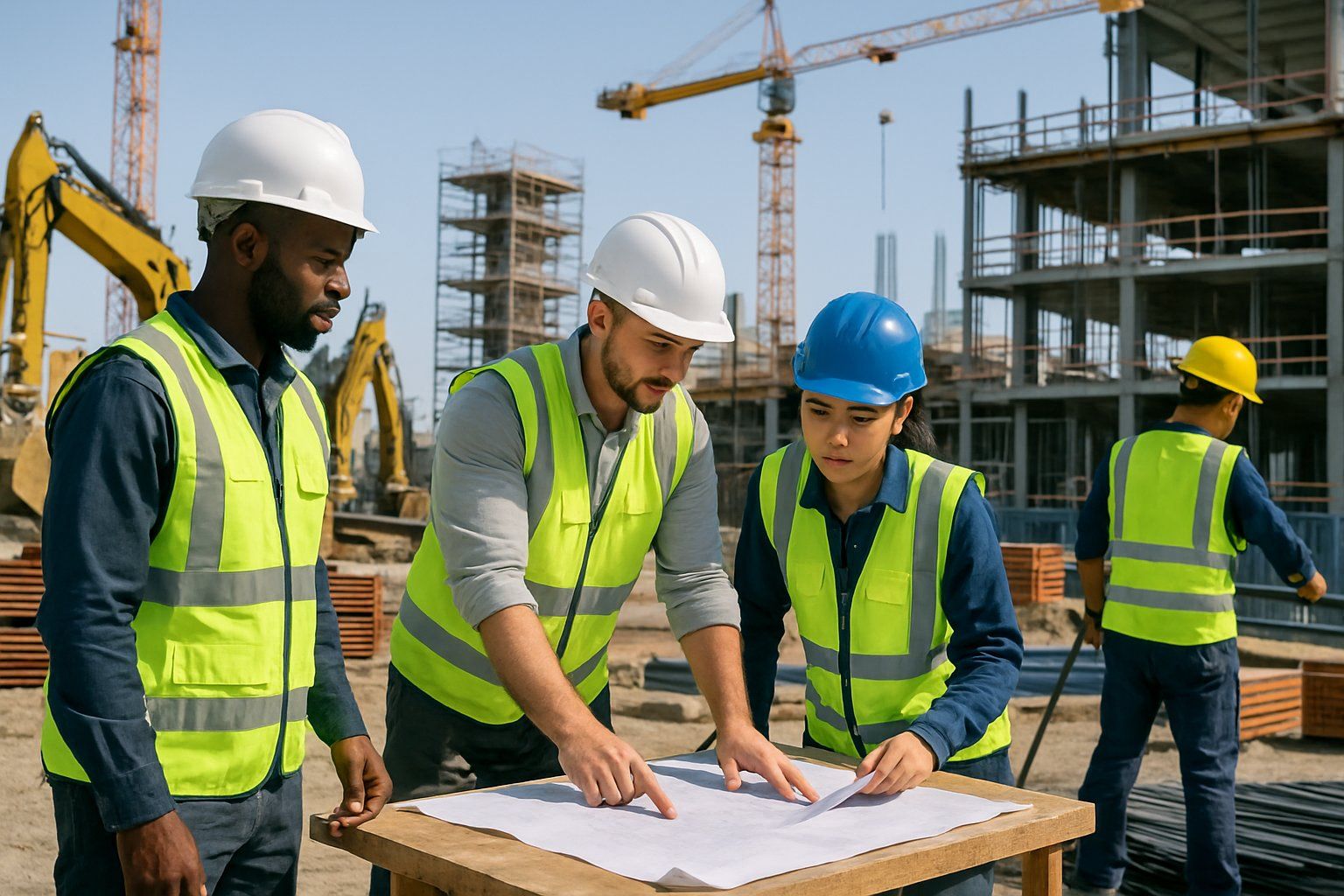
A thoughtful choice highlights the company's strength, reliability, and vision.
Some opt for a modern and short style, while others prefer a more traditional or geographical name that anchors the activity in a specific region.
The important thing is to choose a name that speaks directly to the target audience and supports the desired image.
There are different approaches to finding inspiration: playing with words related to construction, using terms evocative of durability, or combining creativity and simplicity.
With a few basic principles and concrete examples, anyone can identify a name that reflects the value and identity of their future company.
A company name influences how a construction company is perceived from the first contact.
It acts as a sign of professionalism, a tool for differentiation, and an indicator of the quality expected by clients.
A clear and professional name enhances the credibility of a construction company. Clients often associate the solidity of a project with the reliability of the brand behind it.
A well-chosen name inspires confidence and reduces doubts during initial interactions.
A name that is too vague or difficult to pronounce can give an unserious image.
Conversely, a simple, memorable name related to the construction sector facilitates recognition and loyalty.
Companies that choose a name aligned with their values, such as sustainability or safety, convey a consistent message. This creates a stable brand identity that supports long-term reputation.
The construction market has many companies offering similar services. A distinctive name allows you to stand out and avoid confusion with other players. This becomes a strategic advantage when several companies offer similar services.
An original but relevant name attracts attention more easily in materials like quotes, construction site signs, or online directories.
For example: a word related to materials, strength, or innovation can captivate a potential client.
Companies that choose a too generic name risk blending in. A thoughtful choice helps create a unique identity, easier to remember and associate with successful projects.
The name of a company directly influences the perception of the quality of its services. A name that evokes precision, robustness, or reliability can reassure clients even before a project begins.
A client will more readily associate a well-crafted name with a serious and organized company.
Conversely, an awkward or unprofessional name can cast doubt on the quality of the work.
Certain terms like concrete, structure, or foundation remind of solidity and durability. By integrating these references, a construction company reinforces the idea that its achievements are stable and meet expectations.

A good business name should be easy to remember, reflect the construction services offered, and remain consistent with the image the company wants to project.
It serves as both a marketing tool and a reference point for clients looking for a reliable contractor or a serious individual business.
A clear name allows clients to quickly understand the field of activity. Avoiding overly long or complicated terms reduces the risk of confusion. For example, a simple word like BatiPro is easier to remember than a technical expression.
Memorability also relies on sound. Short names or those that rhyme stick more easily in the mind. An entrepreneur can use a light wordplay, provided it remains professional and does not harm credibility.
Another important aspect is spelling.
A name that is easy to write and pronounce promotes word-of-mouth. Clients should be able to search for it online without difficulty.
In summary, clarity and memorability help a construction company stand out without creating obstacles for future clients.
The name should indicate, even indirectly, the construction services offered. Including words like Building, Construction, or Works helps immediately situate the activity.
This prevents the public from confusing the company with another sector.
An entrepreneur specializing in renovation might choose a name that evokes modernization or housing. Conversely, a company focused on large public projects might favor terms related to strength and structures.
Relevance also reinforces trust. Clients look for a provider who clearly states what they do. An appropriate name reduces misunderstandings and facilitates communication.
The trade name must also reflect identity and values. A family business might emphasize closeness with terms like & Sons or Maison. An innovative company might choose a modern and dynamic name.
This coherence creates an aligned image between discourse and reality.
For example, a company that highlights sustainability should avoid a name that only evokes speed or low cost.
Values become a benchmark for customers. A coherent name helps establish trust and differentiate the company in a competitive market.
A construction company name should be clear, easy to remember, and reflect reliability. Some choose classic names that inspire trust, others prefer modern names that highlight innovation, while some focus on originality with puns to stand out.
Traditional names remain a safe choice for a construction company. They emphasize solidity, reliability, and continuity, essential values in this sector.
For example, terms like “Associated Builders”, “Heritage Construction”, or “Dupont General Enterprises” evoke seriousness and stability. This type of name reassures clients looking for a trustworthy partner for significant projects.
Another advantage of timeless names is their versatility. They are suitable for residential projects as well as commercial or public works.
They remain relevant even after several decades, reducing the need for rebranding.
In practice, these names often rely on:
Companies that want to reflect innovation choose more current names. These names highlight technology, ecology, or design.
A name like “EcoConstruct”, “Urbanova Builders”, or “NeoStructure” attracts a clientele sensitive to sustainable solutions and contemporary approaches. Young homeowners or urban investors are often more receptive to this type of image.
Modern names stand out for their simple sound and quick memorization. Many use short combinations or hybrid words, sometimes inspired by English, like “BuildTech” or “Structura”.
A business name generator can also help find original ideas by automatically combining construction-related keywords with modern terms. This allows for creating a unique identity without losing clarity.
Some entrepreneurs prefer to focus on originality to stand out in a competitive market. Puns bring a creative touch that captures attention and makes the name memorable.
For example, “BâtiZen” for a company focused on comfort, or “Construc’Tip” for a quick and practical service. These names combine light humor and clarity while remaining related to the construction field.
An original name can also reflect the company's personality. It shows that it is not only technical but also close to its clients. However, caution is advised: a pun that is too complex may lose credibility with some investors.
To succeed, originality must meet three criteria:
These approaches allow construction companies to create a strong and recognizable identity, whether they are large contractors or small local building teams.
A construction company name should reflect the type of projects undertaken and speak directly to the targeted clients. It must be clear, easy to remember, and inspire confidence in a field where reliability and competence are essential.
Companies specializing in home construction should choose a name that evokes closeness, safety, and quality of life. Clients are looking for a partner capable of building a personal and durable space.
A name that highlights notions like home, habitat, or residential helps create an emotional connection. For example, using simple words related to the house or family enhances credibility with individuals.
It is also useful to add a geographical reference if the activity is local.
This anchors the company in a specific community and facilitates recognition.
In summary, a clear, warm name focused on trust inspires more confidence in homeowners looking to build their residence.
Commercial builders and companies handling large projects should adopt a name that conveys solidity and professionalism. Clients in this sector, often companies or institutions, prioritize reliability and the ability to manage complex projects.
A more formal name, sometimes composed of words like building, engineering, or infrastructure, better suits this type of clientele. Terms associated with sustainability and innovation also reinforce the image of seriousness.
An emphasis on neutrality and clarity is recommended. Abbreviations or initials can work if they remain easy to remember and pronounce.
Thus, the name should reflect technical expertise and the ability to deliver large-scale projects, rather than an emotional aspect.
Companies focused on renovations and multiple services should choose a name that highlights versatility and quick response. Clients often look for a single point of contact capable of handling various tasks.
Including words like renovation, multiservices, or solutions helps to immediately clarify the offering. A name that evokes modernization or transformation also attracts the attention of homeowners looking to improve their property.
Simplicity is essential here.
A name that is too technical can create confusion, whereas a straightforward formulation inspires confidence.
An accessible and practical tone gives an image of proximity and availability, which aligns with the expectations of most clients in this segment.
An effective name reflects the trade, inspires confidence, and highlights what sets the company apart. It should be easy to remember, understandable, and directly related to the construction activity, whether it involves solid foundations, modern structures, or durable materials.
Incorporating terms related to construction helps to immediately identify the field of activity. Words like construction, building, structures, or foundations enhance the credibility and clarity of the name.
A client understands more quickly what the company does when these markers are present. This avoids any confusion with other sectors and facilitates memorization.
It is also possible to play with variations like construct, build, or engineering. These short and precise words fit well with logos and visual media.
A simple table can illustrate the impact:
| Keyword | Associated Perception | Usage Example |
|---|---|---|
| Foundations | Solidity, stability | Foundations Pro |
| Structures | Technical, robustness | Structures Plus |
| Architecture | Design, expertise | Architecture & Build |
Mentioning a city, region, or territory can strengthen the connection with clients. For example, a name like Lyon Builders or Construction Québec provides a clear and local identity.
This can also enhance the heritage and geographical anchoring of the company. Clients often associate a local player with greater responsiveness and trust.
The specialty can also be highlighted. A name that includes renovation, carpentry, or reinforced concrete helps target a specific market. This choice avoids appearing too generalist and directly attracts projects that match the company's expertise.
By combining location and specialty, the name becomes even more distinctive, like Norman Carpentry or Parisian Renovation.
Construction materials immediately evoke the nature of the services. Terms like wood, concrete, steel, or stone provide a concrete and professional image.
For example, Durable Concrete emphasizes solidity and longevity, while Wood & Habitat suggests warmth and ecology. These references help attract clients sensitive to certain architectural or environmental choices.
It is also possible to rely on specific techniques like metal framework, thermal insulation, or eco-construction. These terms reinforce technical expertise and highlight a modern approach.
A name that combines technique and material, like Steel Structures or EcoConcrete, demonstrates both the company's competence and orientation. This facilitates differentiation in a competitive market.
A construction company name must be clear, legally available, and easy to remember. It should also offer room for growth to evolve with the brand over time.
Before settling on a name, it is essential to check its legal availability. A name already registered by another company can lead to legal conflicts and significant costs.
Provincial and federal registries ensure that no other construction company is already using the name.
It is also advisable to check the availability of the domain name. A professional website has become essential for a brand. If the corresponding domain is already taken, it may be difficult to build a coherent online presence.
A simple table can help:
| Check | Tool or Source | Objective |
|---|---|---|
| Business Registry | Business Register, Corporations Canada | Avoid legal duplicates |
| Trademarks | CIPO Databases | Avoid brand conflicts |
| Domain Name | Domain Search Tools | Ensure a clear online presence |
An effective name should be easy to pronounce and remember. In the construction sector, where reputation relies heavily on word-of-mouth, a complicated name can reduce visibility.
It is useful to ask several people to pronounce the chosen name.
If errors frequently occur, the name may create confusion.
A simple test is to say the name once to someone and ask them to write it down or repeat it later. If the person makes a mistake, the name likely lacks clarity.
Short names with a direct sound are often more suitable. For example, a single word or a combination of two terms related to the field (e.g., Concrete+Last Name) makes it easier to remember.
A name that is too limited can hinder the company's expansion. For example, if a construction company chooses a name solely related to roofing, it will be difficult to use if it expands its services to general renovation.
It's better to choose a name that allows room for growth.
A broader term, like a name inspired by a material, a value (strength, reliability), or a place, allows for building a lasting brand.
Visual and auditory consistency should also be considered. The name should easily fit into a logo, business card, or advertising slogan.
Finally, it's useful to check if the name works in multiple linguistic contexts, especially in Quebec where the Charter of the French Language imposes certain rules. This avoids costly adjustments later on.
Choosing a name for a construction company requires reflection on originality, clarity, and relevance. Technical aspects, modernity, and legal availability also play an important role in ensuring credibility and visibility.

An original name should be easy to remember and pronounce.
It should also reflect the company's values, such as reliability, innovation, or expertise.
A good balance between creativity and clarity helps to stand out without losing credibility.
A distinctive name can use local references, materials, or terms related to sustainability.
Adding a simple yet evocative word enhances the impact.
Avoiding overly generic terms helps to remain memorable in a competitive market.
Trends include the use of terms related to ecology, modernity, and technology.
Many companies adopt short and easy-to-remember names.
Some also choose bilingual combinations or internationally inspired words to broaden their reach.
Yes, using technical terms can enhance the image of professionalism.
However, it's important to ensure these words remain understandable to a broad audience.
Excessive jargon can make the name difficult to remember or pronounce.
First, check that the name is not already registered in the business registry.
Then, verifying the availability of the internet domain name is essential.
Finally, it is recommended to check for existing trademarks to avoid any legal conflicts.
Incorporating terms related to innovation, technology, or sustainability reflects a modern image.
Using short, dynamic, and easy-to-remember words also reinforces this impression.
Some choose names combining French and English to accentuate the contemporary dimension.
You might like
ConstruMD
Nov 18, 2026
ConstruMD
Nov 15, 2026
ConstruMD
Nov 11, 2026